
Systems are classified by motive force (vacuum or pressure) and conveying mode (lean or dense phase). The right combination depends on your material, transfer distance and throughput requirements.
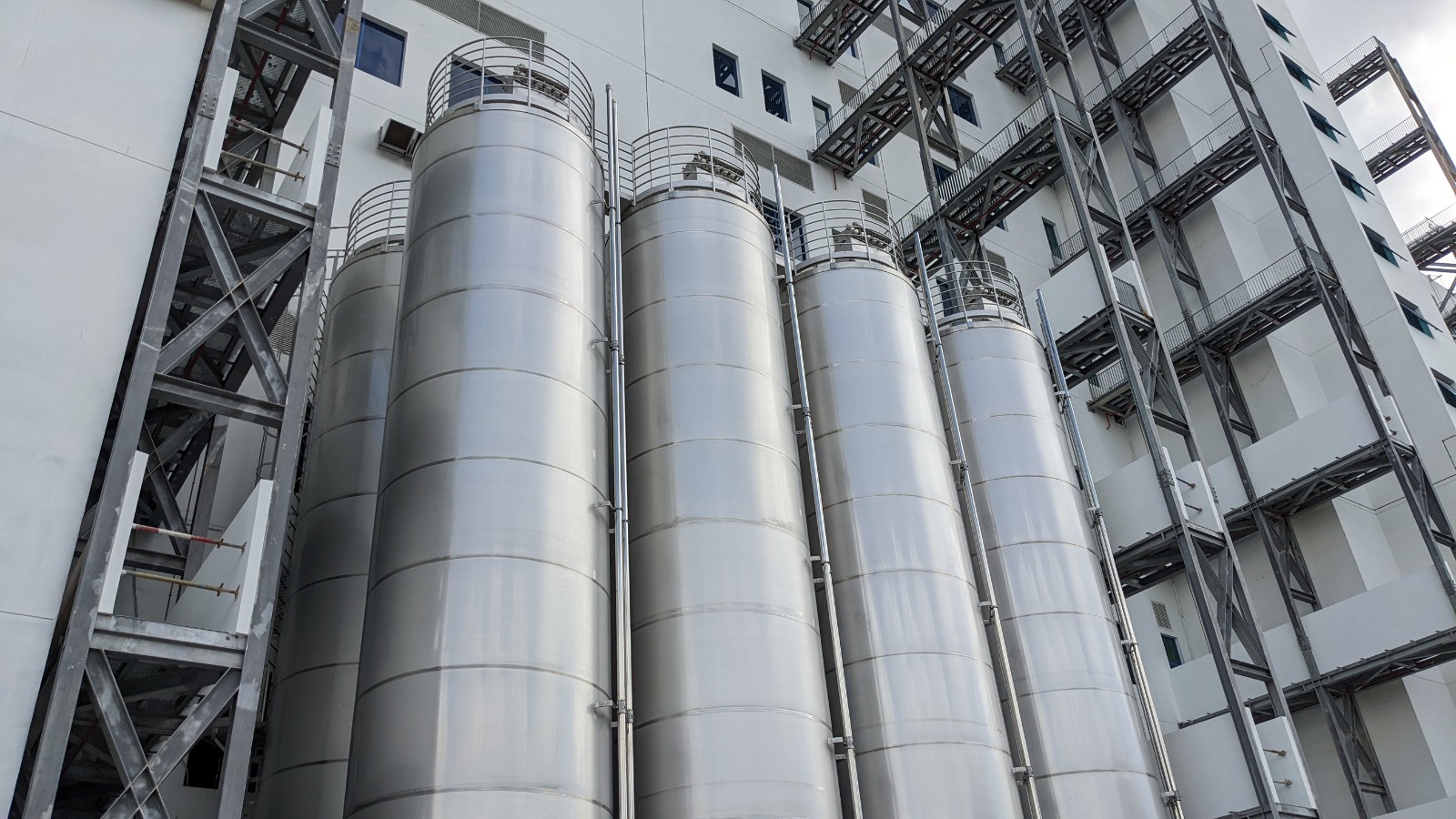
Pneumatic Conveying Systems
The most efficient method for transporting dry bulk powders and granules through a production facility. Using air as the motive force, material moves through enclosed pipelines cleanly, continuously and without the contamination risks associated with open mechanical systems.
Types of pneumatic conveying systems
Advantages of pneumatic conveying
- Cleanliness
- Compact design
- Non-contaminating
- Fewer moving parts
- Easy maintenance
- Low energy consumption
Pneumatic components
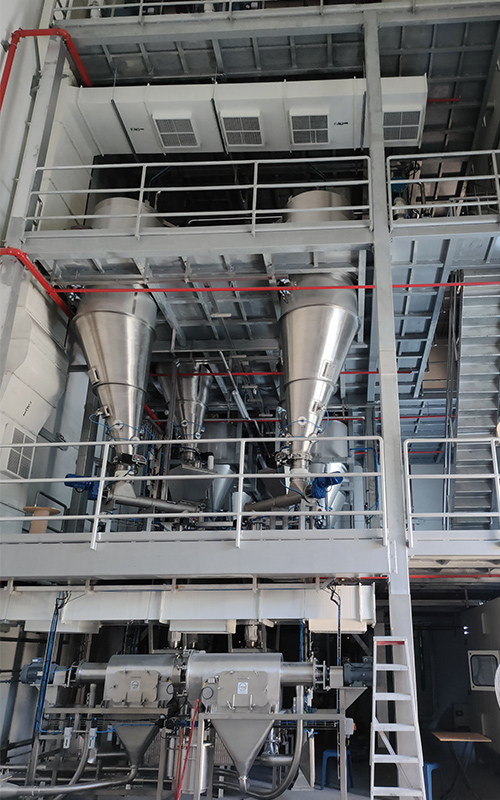
A complete pneumatic conveying system is built from six core component groups, each selected and sized to your material and process
Conveying tubes
Stainless steel pipelines with smooth interiors that optimise flow and minimise wear under high-pressure airflow
Air movers
Blowers, exhausters and vacuum pumps generating the airflow required to convey material. ATEX compliant options available
Feeding systems
Rotary valves, screw feeders and venturi ejectors regulate material entry. Bin activators and fluidisers prevent blockages
Separation devices
Cyclones and filter receivers separate conveyed material from the air stream at the destination point
Pipework and valves
Diverter valves, butterfly valves, couplings and BFM flexible connectors direct material flow and allow system flexibility
Instrumentation and controls
Pressure sensors, level indicators, sight glasses and flow metres provide real-time monitoring and control
Customised conveying solutions
Every parameter, engineered to you.
Every system we design begins with a thorough assessment of your material characteristics, facility layout and throughput requirements. From conveying velocity and pipe diameter to air-to-material ratio and system pressure, every parameter is engineered to your specific process.
Frequently Asked Questions
Don’t see your question here? Our engineers are happy to talk specifics about your material and site.
How does a pneumatic conveying system work?
A pressure differential created by positive pressure (pushing) or vacuum (pulling) propels material through enclosed pipelines from source to destination, where it is separated from the air stream using cyclones or filter receivers.
What materials can be conveyed pneumatically?
A wide range of dry bulk materials including flour, sugar, starch and milk powder; granules such as plastic pellets and grains; and abrasive or heavy materials such as sand and minerals. System type selection depends on the material’s characteristics.
What is the difference between lean phase and dense phase?
Lean phase uses high velocity and low pressure, suited to non-abrasive materials over short to medium distances. Dense phase uses low velocity and high pressure to move material in controlled slugs, suited to abrasive, fragile or heavy materials over longer distances.
Can it integrate with my existing production line?
Yes. Pneumatic conveying systems can be connected to existing mixers, silos, weighing systems and packaging lines. Integration requires careful planning around your existing layout, which our team manages as part of the full design and installation process.
Looking for a solution like these?
Speak to our team about your pneumatic conveying requirements.
